A roadmap to useful fault-tolerant quantum computing
Built for speed, scalability and real-world viability, enabled by advanced materials.
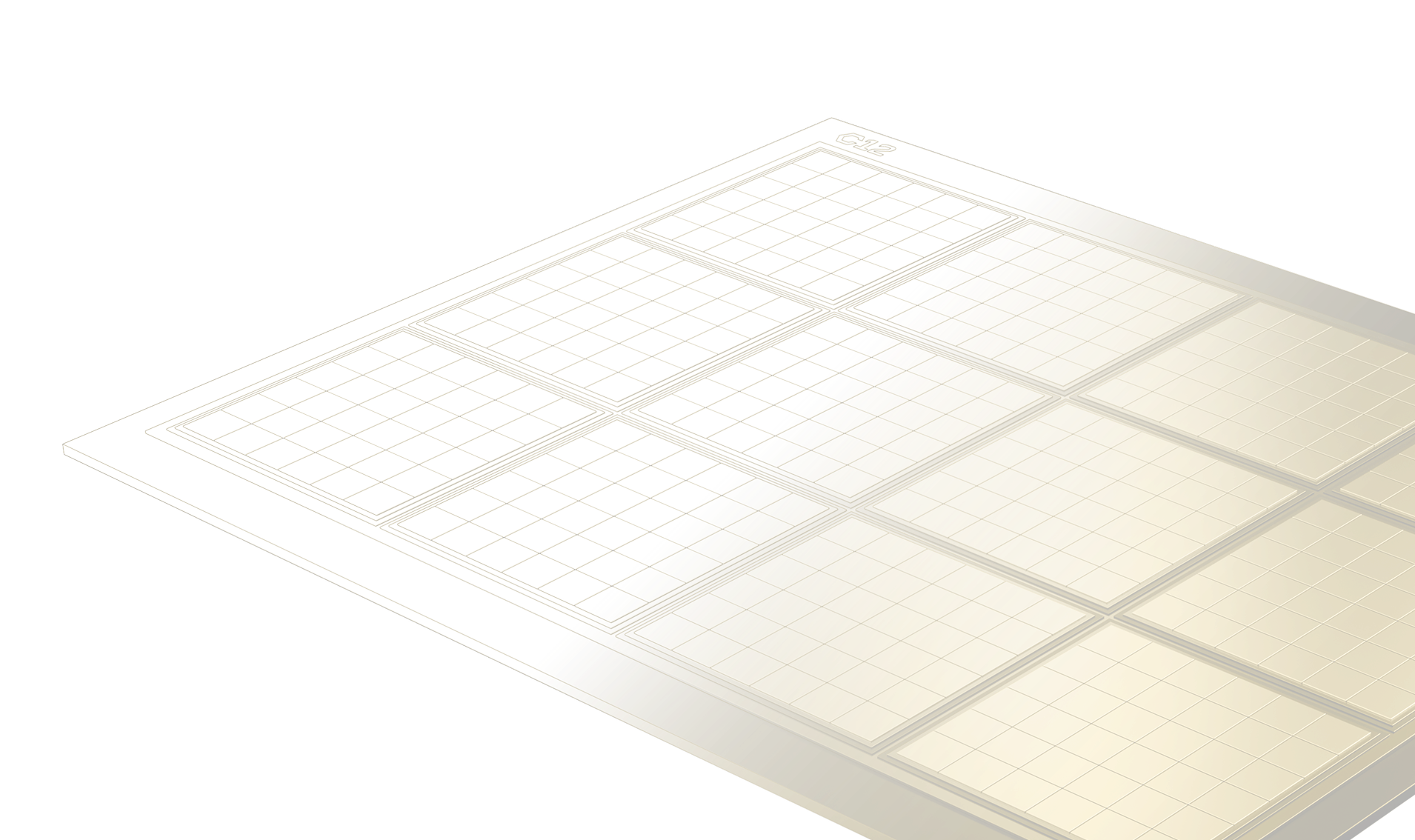
Fast qubit operations
C12’s carbon nanotube spin qubits support fast electronic gate operations without long qubit transport sequences or slow nearest-neighbor swap chains.
Fast gates
C12’s solid-state qubit supports speeds of tens of nanoseconds for physical single-qubit gates and hundreds of nanoseconds for physical two-qubit gates.
C12’s solid-state qubit supports speeds of tens of nanoseconds for physical single-qubit gates and hundreds of nanoseconds for physical two-qubit gates.
Negligible atom or electron movement
C12’s two-qubit gates don’t rely on physical atom movement, which dramatically slows trapped ion and neutral atom systems, or the shuttling of electrons across long distances, which slows many spin qubit approaches.
C12’s two-qubit gates don’t rely on physical atom movement, which dramatically slows trapped ion and neutral atom systems, or the shuttling of electrons across long distances, which slows many spin qubit approaches.
All-to-all connectivity zones
C12’s quantum bus approach allows local all-to-all connectivity zones that support more efficient algorithms, quantum error correction codes, and gates that entangle many qubits at once.
C12’s quantum bus approach allows local all-to-all connectivity zones that support more efficient algorithms, quantum error correction codes, and gates that entangle many qubits at once.
Scalable architecture
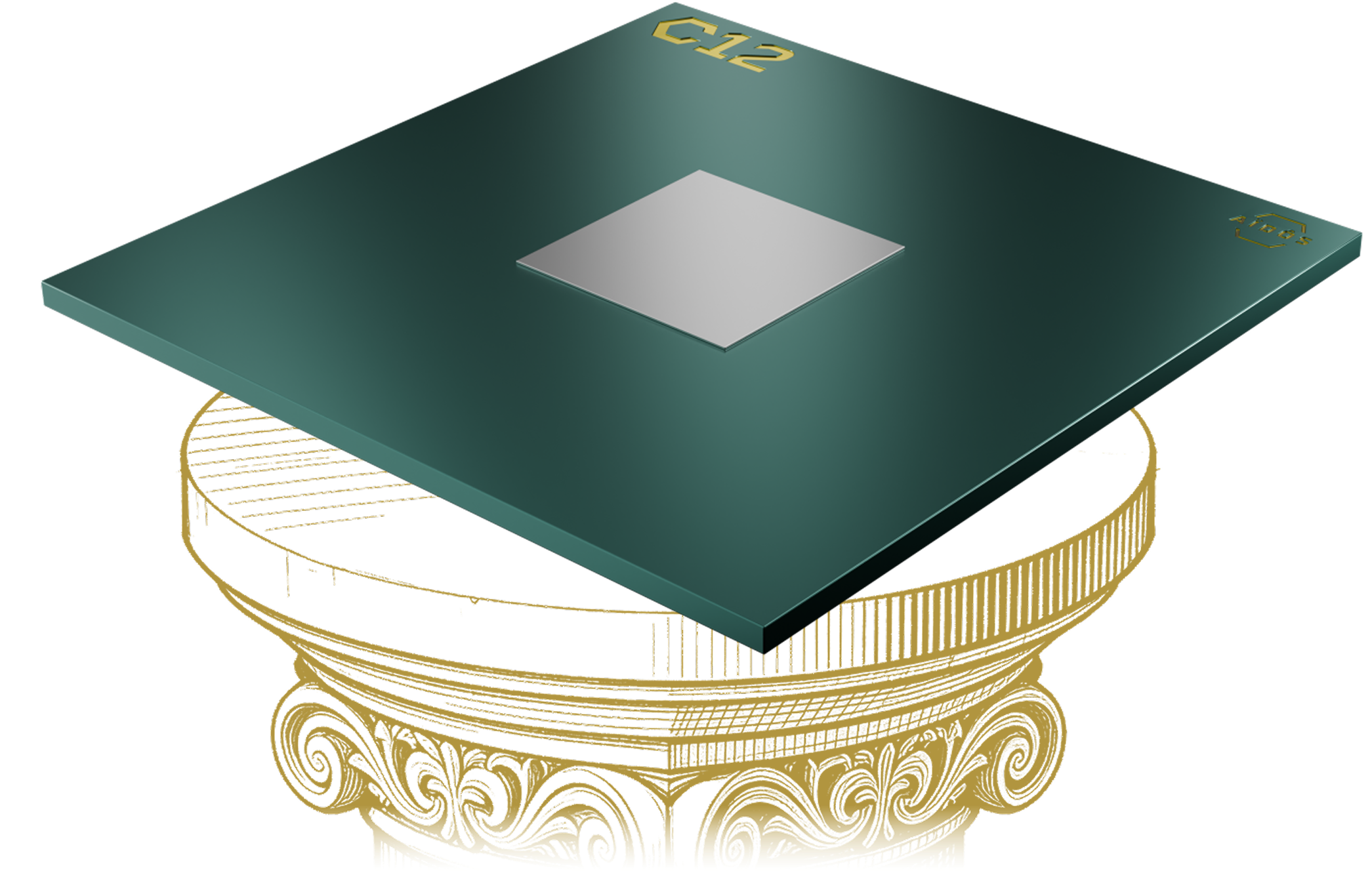
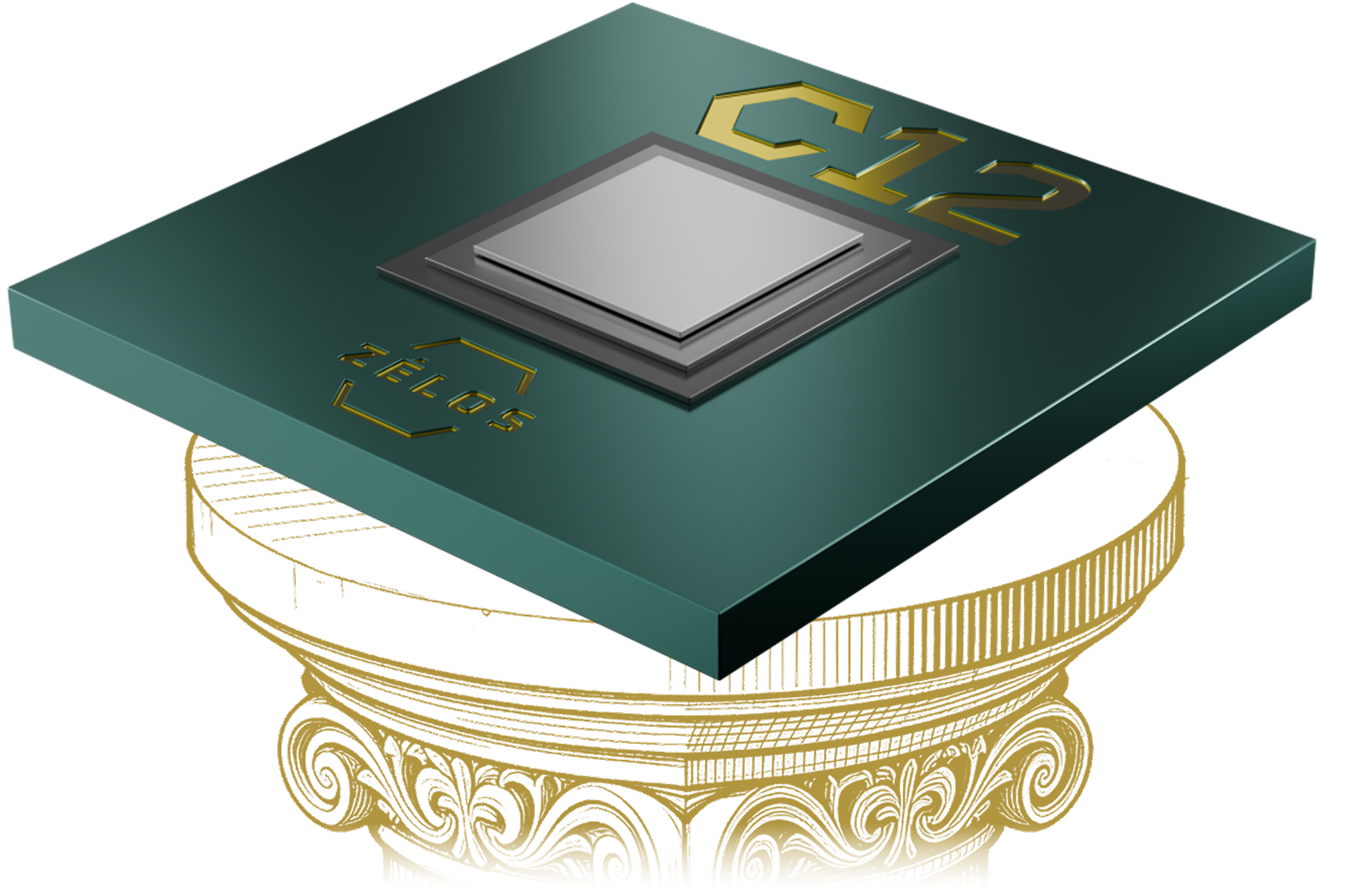
C12 is built to compound across generations. Each system after Aïdôs is a modular unit that can be duplicated and integrated to create the next larger one.
Chiplet-based 3D architecture
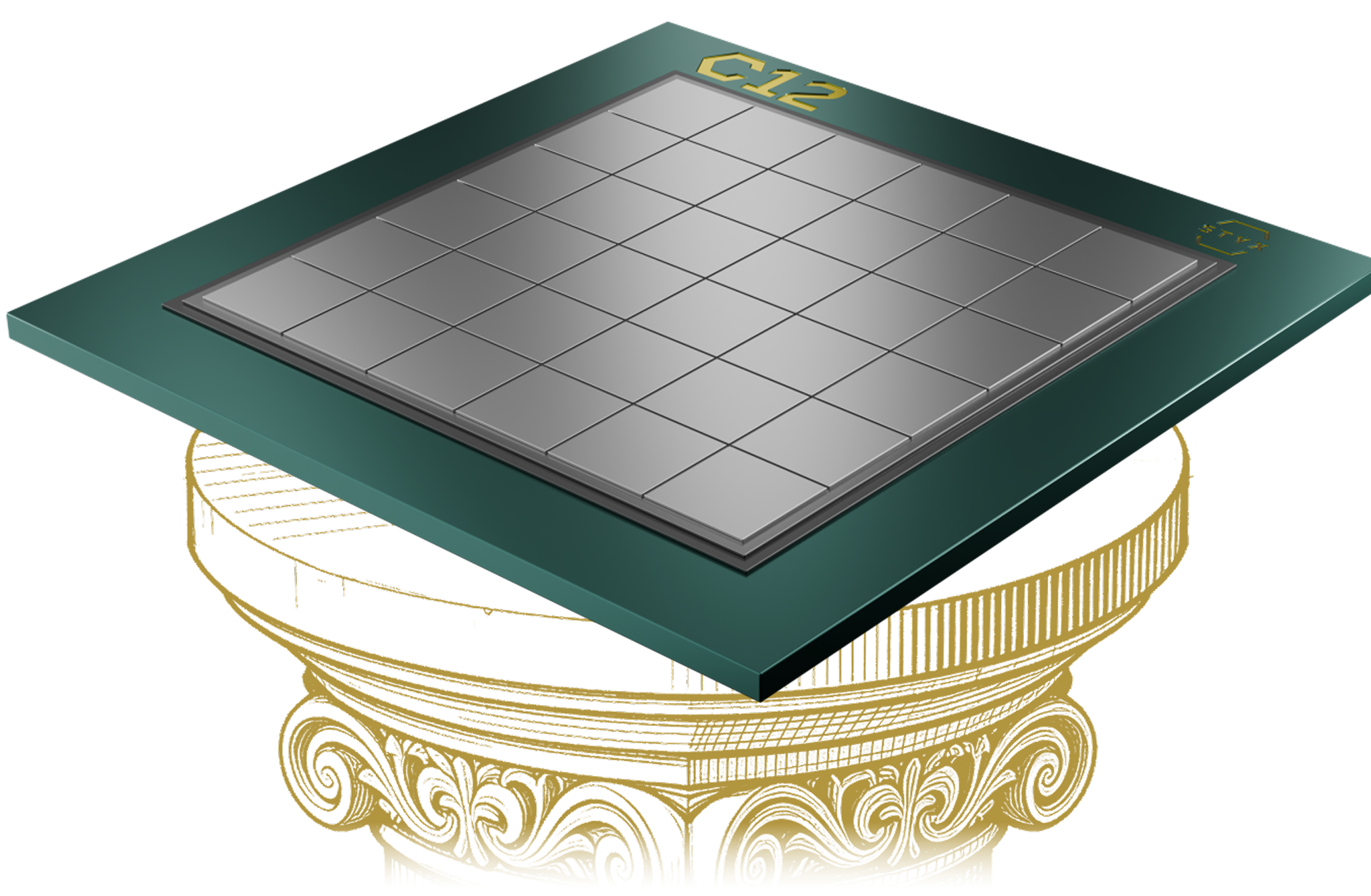
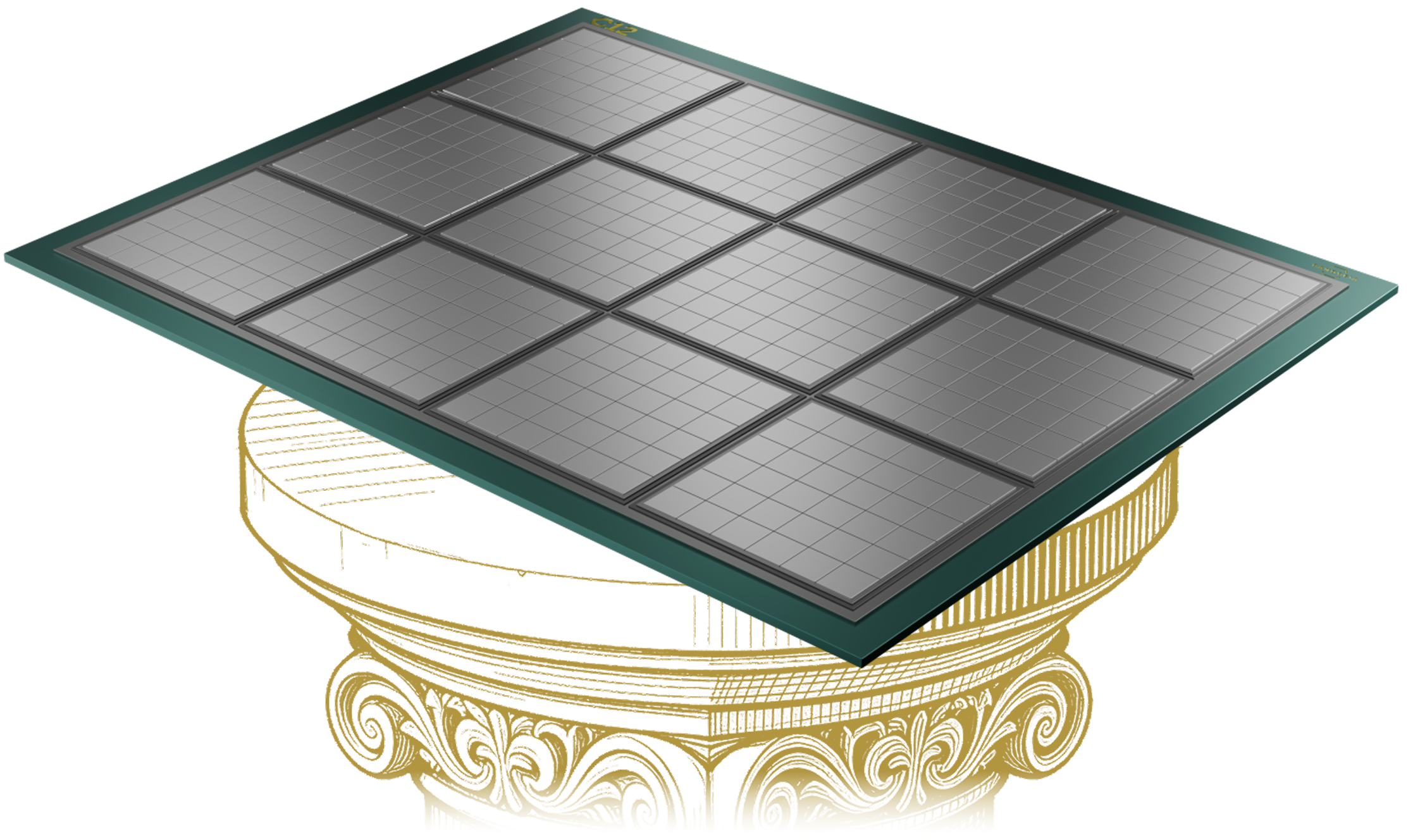
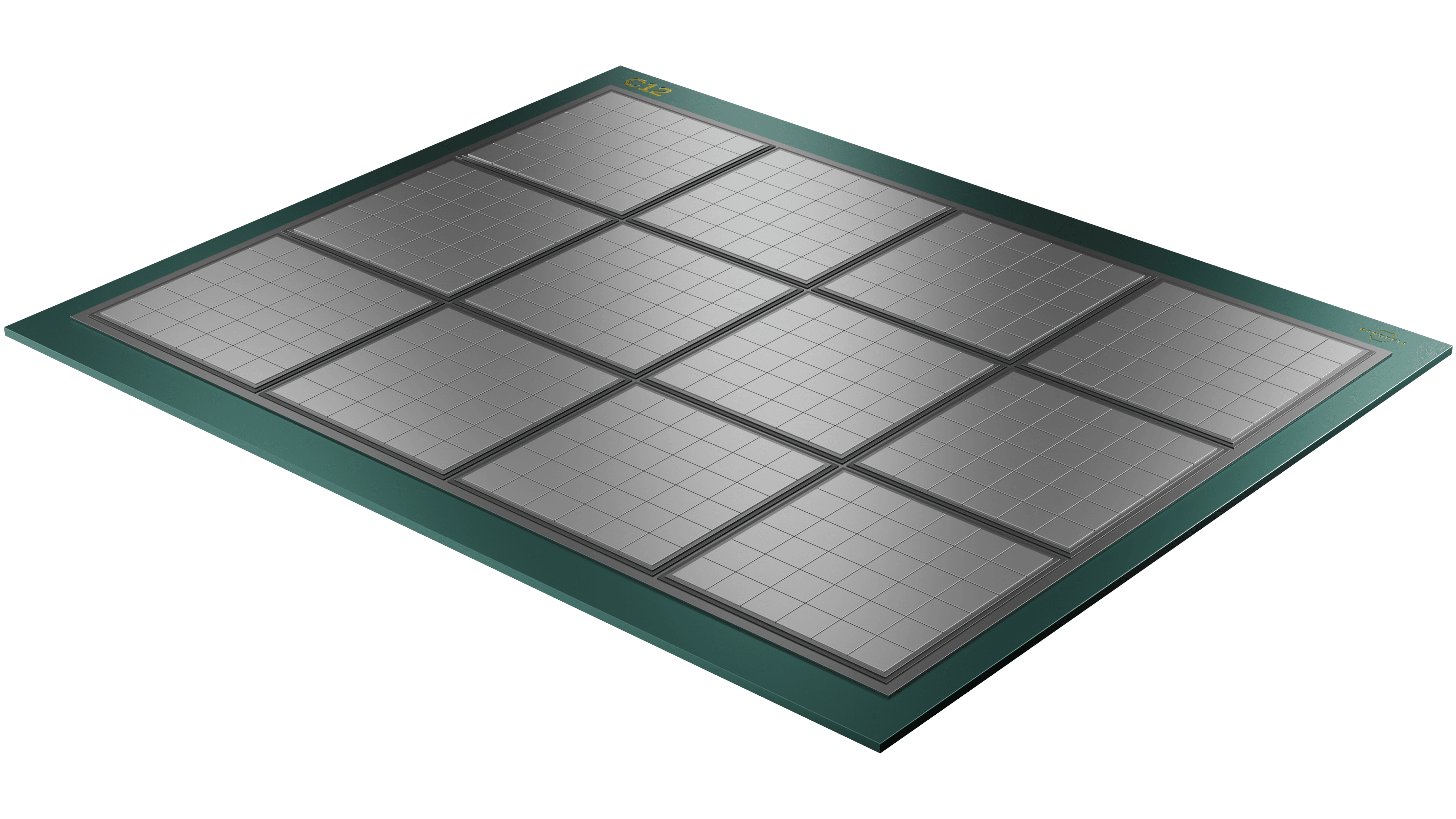
C12 is able to leverage modern semiconductor fabrication and 3D integration to support a modular, scalable approach.
C12 is able to leverage modern semiconductor fabrication and 3D integration to support a modular, scalable approach.
Efficient error correction
C12’s architecture supports supports multiple options for non-Clifford gates, such as magic state cultivation or code switching with transversal gates. The high connectivity of the architecture gives it future-proofing to exploit coming error correction advances.
C12’s architecture supports supports multiple options for non-Clifford gates, such as magic state cultivation or code switching with transversal gates. The high connectivity of the architecture gives it future-proofing to exploit coming error correction advances.
Connectivity and parallelization
The ability to adjust the all-to-all connectivity zone size from two qubits to a whole chiplet's worth allows C12 to optimize the balance between connectivity and parallel operations.
The ability to adjust the all-to-all connectivity zone size from two qubits to a whole chiplet's worth allows C12 to optimize the balance between connectivity and parallel operations.
Compact and deployable
Utility-scale quantum computing must remain energy-efficient and deployable. C12 targets sub-watt power per qubit and 6,000 qubits/m² within a single integrated system.
Reduced cooling requirement
Compared with superconducting qubits, C12’s spin qubits can be operated at temperatures an order of magnitude higher, which actually supports two orders of magnitude more cryoelectronics.
Compared with superconducting qubits, C12’s spin qubits can be operated at temperatures an order of magnitude higher, which actually supports two orders of magnitude more cryoelectronics.
Small system footprint
More efficient control electronics and much smaller size than superconducting qubits allow C12 to target 100,000 physical qubits with only a single dilution refrigerator and a few server racks.
More efficient control electronics and much smaller size than superconducting qubits allow C12 to target 100,000 physical qubits with only a single dilution refrigerator and a few server racks.
Helium-3 efficient
C12’s single-cryostat approach requires only a few tens of liters of helium-3, unlike approaches that distribute processing over many dilution refrigerators and may require a significant fraction of the world’s helium-3 reserves.
C12’s single-cryostat approach requires only a few tens of liters of helium-3, unlike approaches that distribute processing over many dilution refrigerators and may require a significant fraction of the world’s helium-3 reserves.
The material difference
Carbon nanotubes provide a near-ideal one-dimensional pathway for electrical signals, enabling uniform control, connectivity and reproducible scaling.
High fidelity
Carbon nanotube based qubits maximize fidelity by offering the best noise isolation of any solid-state qubit, especially from nuclear spin noise thanks to its purified carbon-12 isotope.
Carbon nanotube based qubits maximize fidelity by offering the best noise isolation of any solid-state qubit, especially from nuclear spin noise thanks to its purified carbon-12 isotope.
Uniform qubit control
Carbon nanotube based qubits can be tuned at a ms scale to match each other, rather than impose a huge burden of custom timing and microwave frequencies specific to every qubit for every gate.
Carbon nanotube based qubits can be tuned at a ms scale to match each other, rather than impose a huge burden of custom timing and microwave frequencies specific to every qubit for every gate.
The path to utility-scale quantum computing


Logical qubits

Physical qubits
Logical
error rate
error rate
Watts per
physical qubit
physical qubit
Qubits per
square meter
square meter
2027

.png)
1
16
10-3
1,500
1.4
2030

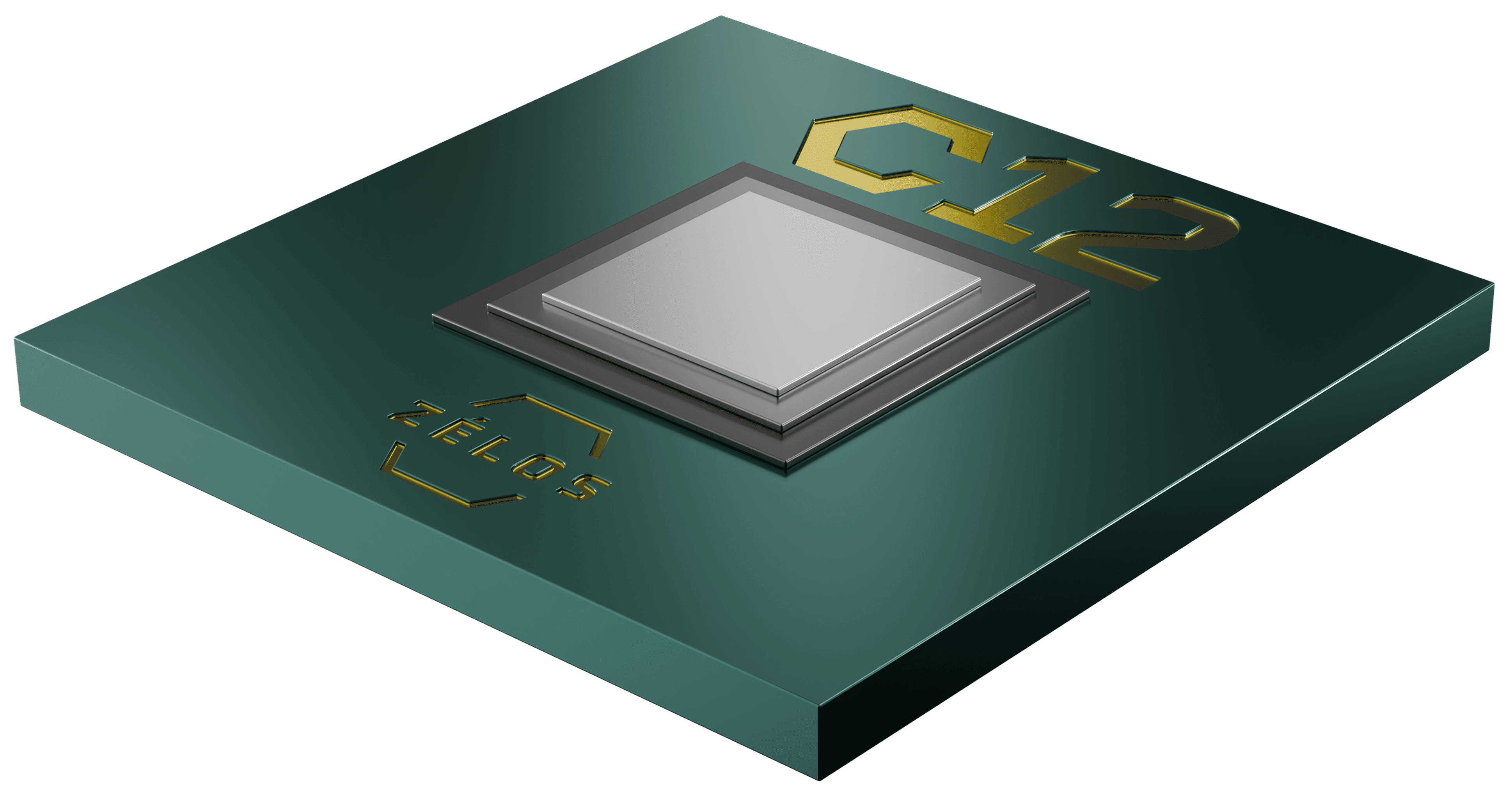
8
236
10-5
100
21
2032


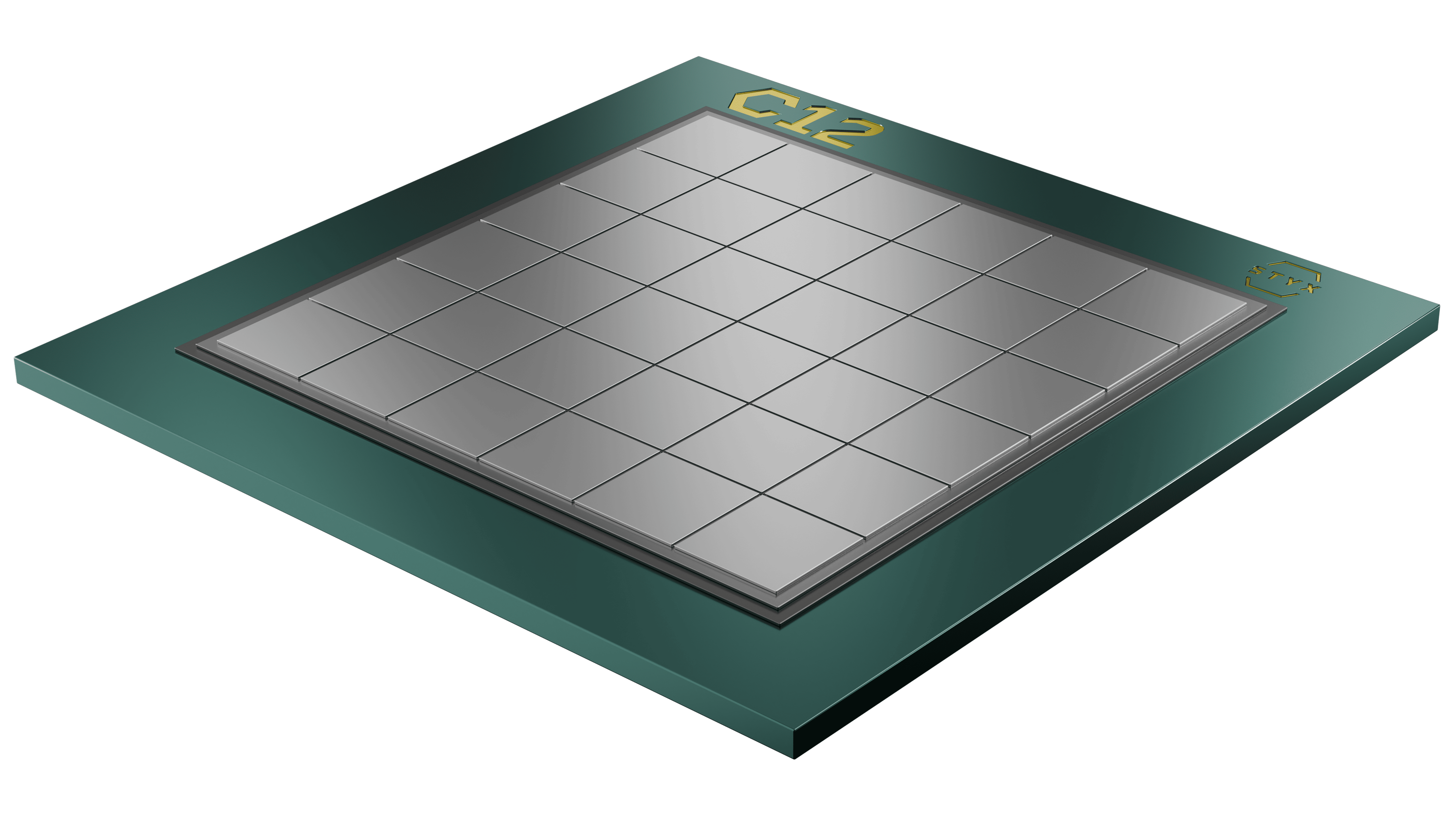
128+
8,500
10-6
6
500
2033

792+
100,000
10-7
0.5
6,000
.svg)
Logical qubits
Physical qubits
Logical
error rate
error rate
Watts per
physical qubit
physical qubit
Qubits per
square meter
square meter
Logical error rate applies to Clifford gates.
On-premise delivery within 12 months of first demonstration system.
On-premise delivery within 12 months of first demonstration system.
Making this roadmap possible
Explore the architecture and system design that make scaling, speed, and real-world viability possible